
RRS-ABS70
V-MARK™ PLASTIC REFLECTIVE ROAD STUDS
RAISED PAVEMENT MARKINGS
ABS Shell | PMMA Reflectors
5 Colors | 1/2-Sided Reflection

EN 1463-1 & -2 | CE Certified
Completely conforms to EN 1463-1 & -2 , CE Certified, and similar international standards.

450–500 mcd/lux
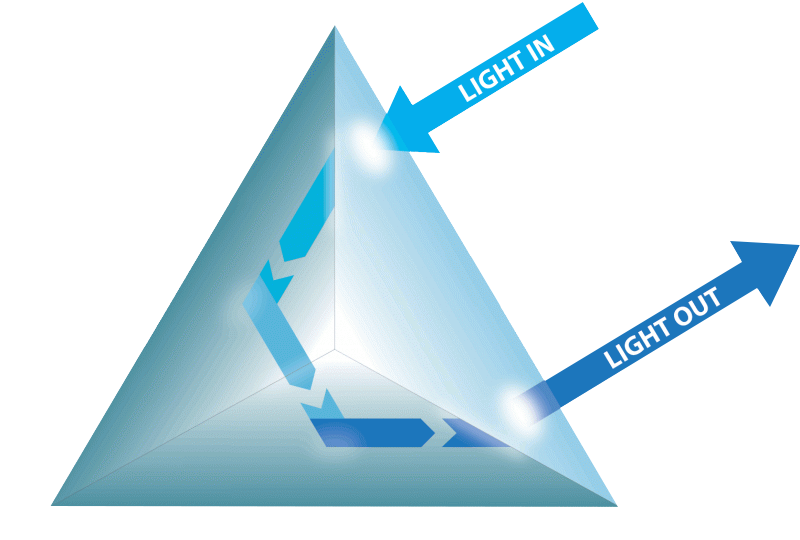
Micro-prismatic reflectivity. 450–500 mcd/lux — over 3 times the retroreflective values required by EN 1463 and ASTM D4280.

10+ Years Lifespan
With proper maintenance and regular cleaning, reflective road studs can maintain effective retro-reflectivity for 10+ years under normal traffic conditions.

OEM Service
Customized logos, custom colors, dual-color designs, custom packaging, as well as various weights and sizes are available.
Overview
V-MARK™ Reflective Pavement Marker – Pavement Delineation #RRS-PVC70 consists of microprismatic lenses that are integrated into a tough, weather-resistant PVC or synthetic resin body with a smooth, transparent surface. Designed for permanent installation, these markers are embedded into the pavement or fixed using bituminous adhesive/epoxy to ensure stability under high-speed traffic.
RRS-PVC70 can be used on highways, urban roads, tunnels, intersections, parking lots, airport aprons, and all types of road and industrial safety applications.
RRS-PVC70 are made strictly according to EN 1463, CE Certified, and similar international standards.
Customized Options
Multiple DIY options are available, such as customized logos, non-standard sizes, retail packaging, easy-install features, etc.
High Reflectivity
Advanced reflective design provides brilliant night-time visibility, with stable light return that helps guide drivers clearly in low-light conditions and adverse weather.
Certifications
Mandatory EN 1463-1 & EN 1463-2 compliant markings, plus customized markings, such as logos, letters are acceptable.
Excellent Adhesive
Patented adhesive provides strong bond strength to asphalt and concrete road surfaces, and long-lasting adhesion even when exposed to severe weather and continuous traffic rolling.
Various Test
Impact Strength
Meaning of Product Codes
Item No. - RRS-ABS70
RRS- Reflective Road Stud
ABS - ABS housing
70 - 70g per piece
We offer a wide selection of plastic road studs, with weights ranging from 70g to 175g and dimensions from 95×95mm to 150×150mm to meet different road requirements.
Physical Performance
COMPRESSIVE STRENGTH
-
Test Method: Compression test (EN 1463-1 / ASTM D4280)
-
Test Result: ≥ 160 kN (Withstands vehicle rolling without cracking or deformation)
ADHESION TO ROAD SURFACE
- Test Method: Pull-out test / Vertical tensile strength test (EN 1463-1)
- Test Result: ≥ 10 kN bond strength to asphalt and concrete surfaces; no peeling or displacement under traffic load
IMPACT RESISTANCE
-
Test Method: Drop weight impact test (1kg hammer dropped from 1m height)
-
Test Result: No cracking, chipping, or damage
WEATHER RESISTANCE
-
Test Method: Accelerated weathering test (UV, humidity, temperature cycling)
-
Test Result: No yellowing, fading, or degradation after extended exposure; > 16,280 hours weathering resistance
WATER RESISTANCE
-
Test Method: Immersion test (24 hours)
-
Test Result: Waterproof construction; retro-reflectivity retention rate ≥ 90%
CHEMICAL RESISTANCE
-
Test Method: Immersion in road chemicals (SAE J1967)
-
Test Result: Resistant to road salt, de-icing agents, oil, diesel fuel, and diluted acids/alkalis
TEMPERATURE RESISTANCE
-
Test Method: Thermal cycling test (-40°C to +70°C, 20 cycles)
-
Test Result: No cracking, warping, or delamination
RETROREFLECTIVITY
-
Test Method: EN 1463 / ASTM E809
-
Test Result: White ≥ 300 mcd·lx⁻¹·m⁻², Yellow ≥ 200 mcd·lx⁻¹·m⁻²
CORROSION RESISTANCE
-
Test Method: Salt spray test (ASTM B-117)
-
Test Result: No effect after 1000 hours
ABRASION RESISTANCE
-
Test Method: Taber abrasion test / Traffic wear simulation
-
Test Result: Reflective surface resists wear from tire contact and road debris
Color Coding & Application Scenarios
Installation Positions of Reflective Road Studs
The effectiveness of reflective road studs depends on their placement. Here are the most common positions:
- Highways: Installed along lane dividers and shoulders to improve lane discipline at high speeds.
- Intersections: Placed to highlight stop lines and guide drivers through complex junctions.
- Pedestrian Crossings: Used to alert drivers to crossing zones, especially at night.
- Tunnels: Provide consistent guidance where natural light is absent.
- Curves: Enhance visibility on sharp turns, reducing accident risks.
- Parking Areas: Define boundaries and improve traffic flow in lots.
Installation Spacing Guidelines
The spacing of reflective studs ensures proper visibility. General guidelines include:
- Urban Streets: 3-5 meters apart.
- Highways: 6-12 meters apart.
- Sharp Curves: 2-3 meters apart for maximum guidance.
- Tunnels: 2-5 meters apart for continuous visibility.
Factors Affecting Spacing and Positioning
Traffic Speed: Higher speeds require closer spacing for quick visual cues.
Road Type: Highways vs. urban streets demand different approaches.
Visibility: Weather, fog, and lighting conditions influence spacing.
Local Regulations: Standards may vary by country or region.
Step-by-Step Installation Guide
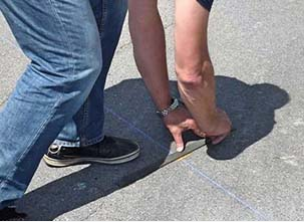
STEP 1
Mark the correct installation location and clean it up (generally 3m apart).

STEP 2
Pour the glue on the installation location.
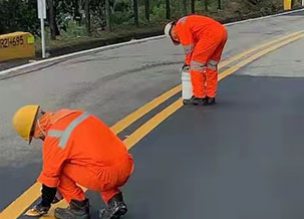
STEP 3
Clean the bottom of the road stud andClean the bottom of the road stud andplace it on top.
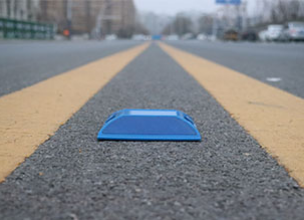
STEP 4
After installation, clean up the spilled glue andAfter installation, clean up the spilled glue anddebris around, wait for 4 - 8 hours to activate.
Storage and Shelf Life
Storage
-
Store in a cool, dry area out of direct sunlight
-
Temperature: 5°C to 30°C (41°F to 86°F)
-
Humidity: < 60% RH
-
Store in original packaging or sealed containers
-
Avoid stacking heavy items on top
-
Keep away from chemicals, solvents, and fuels
Shelf Life
-
Reflective road studs should be installed within 3 years of receipt
-
Epoxy adhesive (if applicable) has separate shelf life – check adhesive packaging
-
Store in original unopened packaging for maximum shelf life
Important Notes
-
Exposure to extreme temperatures or moisture may affect adhesion performance
-
Inspect before installation: do not use if housing is cracked or reflector is damaged
-
For best results, install within recommended shelf life period
Note: Storage conditions may vary by specific product model. Always refer to the product datasheet for exact requirements.